
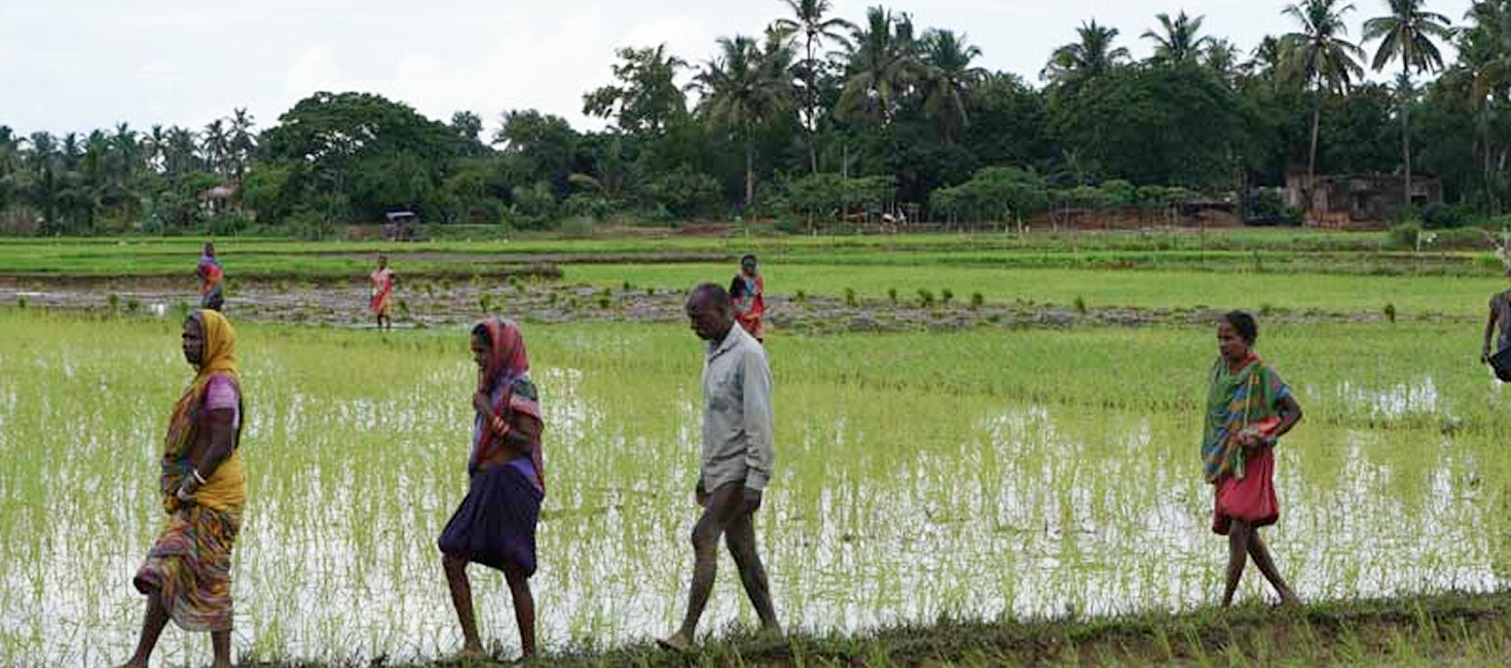


In 2013, the catastrophic floods in Uttarakhand, caused by an unexpected cloudburst, resulted in devastating landslides that wiped out entire villages, claimed over 6,000 lives, and stranded nearly 300,000 people. This disaster highlighted the critical importance of community resilience and the vital role young individuals can play in disaster risk reduction. During this period, I worked with the Disaster Mitigation and Management Unit (DMMU) of Emmanuel Health Association, focusing on equipping youth with the necessary skills to aid their communities during such crises.
Training the Community’s Youth
Our initiative began with a ‘Training of Trainers’ program targeting local youth, including recent university graduates, social workers, local journalists, and school teachers. These individuals were driven by a commitment to their communities and a desire to make a tangible difference. After receiving training, they joined us in conducting educational sessions in various schools. Their efforts were instrumental in securing cooperation from school administrations and fostering strong community ties, ultimately establishing a network of young leaders who championed disaster preparedness.
As these young trainers grew in confidence and capability, they became pivotal in our outreach efforts. It was particularly remarkable to witness young women, who initially appeared reserved, become assertive and knowledgeable trainers. By the end of the project, they were confidently presenting their strategies and advocating for disaster preparedness in front of district officials and other stakeholders.
Curriculum and Skill Development
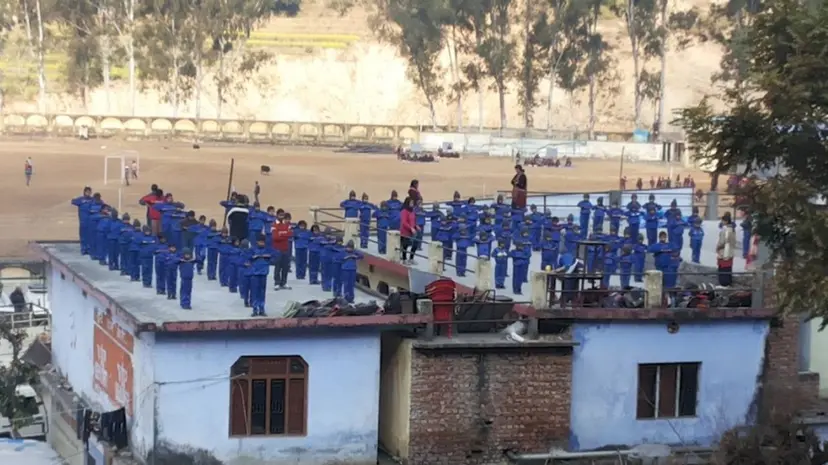
The core of our training focused on essential life-saving skills such as first aid, CPR, and emergency response techniques. We taught them how to recognize and react to signs of choking, strokes, and heart attacks, manage nosebleeds, and properly dress wounds. Furthermore, we conducted comprehensive evacuation drills in schools, teaching students to identify and use the safest escape routes during emergencies.
These practical skills prepared the students not only for potential disasters but also equipped them for daily emergencies, providing them with the confidence to take immediate action when required.
The Impact of Sustainable Disaster Preparedness
My subsequent involvement in disaster response efforts during the 2014 floods in Jammu & Kashmir reinforced the value of empowering the youth for disaster preparedness in Uttarakhand. These experiences underscored the indispensable nature of disaster preparedness training. Such initiatives need to be viewed as necessary investments in our future rather than optional expenditures.
Funding challenges often limit the scope of these vital programs, yet the need for such training cannot be overstated. It is imperative that both public and private sectors step up to support and expand these initiatives. Only through sustained investment in our youth and their capabilities can we hope to foster a safer, more resilient world.
Reflecting on these experiences, I am reminded of the profound impact that empowering young people can have. The skills they acquire go beyond merely preparing them for disasters; they instill a lifelong capacity to contribute positively to their communities. This proactive approach to disaster preparedness ensures that resilience becomes an integral part of community planning, empowering future generations to lead with knowledge and confidence.