

For Naveen Lakhera, a 29-year-old from Jaipur, a diagnosis of HIV and tuberculosis was compounded by a stark reality: his health was failing, and so was his hope. His weight plummeted to 49 kg, his energy vanished, and a dangerously low CD4 count of 239 left his body defenseless. Unable to work, he faced not only a medical crisis but also mounting family worry and financial despair.
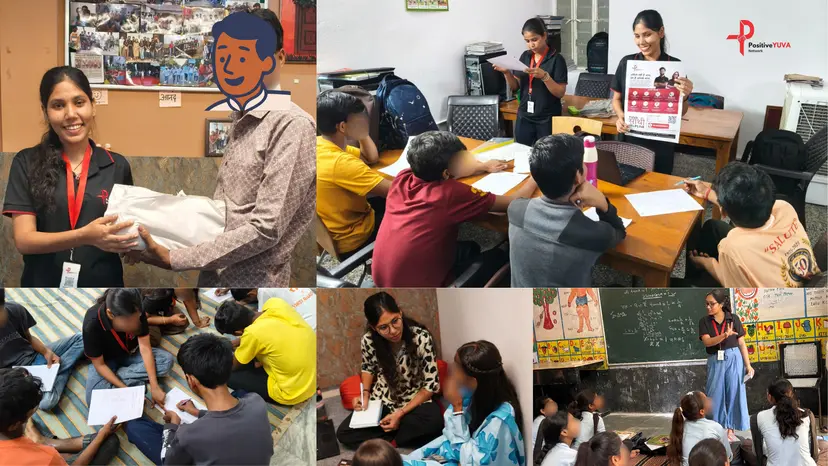
It was through a connection with the Positive YUVA Network Association that Naveen found the support he needed. Over the next four months, he received a comprehensive lifeline that went beyond medicine. The program offered curated nutrition kits, counseling for stress and ART adherence, and vital emotional encouragement. This holistic support enabled a dramatic transformation: his weight climbed to 57 kg, his TB symptoms receded, and he regained the stamina to return to his job in pest control, once again supporting his family. As Naveen shares, “The nutrition support not only improved my health but also gave me the strength to look forward to life with positivity.”
The Broader Challenge: A Call for Collective Action
Naveen’s story is a powerful testament to the fact that good nutrition is not a privilege; it’s a fundamental tool for health, resilience, and dignity. Yet, for millions of people across India, this lifeline is out of reach.
For vulnerable populations, the challenges are immense. Their grueling labor demands a high-calorie, nutrient-rich diet that is often unaffordable. They face unpredictable incomes, lack access to hygienic food preparation facilities, and have little time to seek out healthy meals. These systemic barriers make the simple act of eating well a daily struggle, a struggle that is amplified for those living with chronic conditions like HIV.
People living with HIV face daily barriers to a balanced diet, food insecurity, fluctuating prices, and stigma that blocks access to essential services. Too often, nutrition advice is not tailored to their needs. Some youth must choose between medication and meals, fearing side effects if they take ART on an empty stomach. We’ve seen adolescents rely on midday school meals as their only reliable source of nourishment, and others struggle to afford fresh foods that support their treatment. For many, these challenges are compounded by loss of family support and discrimination at service access points.
Nutrition as Resilience
At the heart of our response are peer support groups, nutrition counselling, and the provision of food baskets curated for people living with HIV. We empower our community with practical tools for meal planning, hydration, and managing stress through holistic health coaching. Our “First 1000 Days” initiative for HIV-positive mothers and infants prioritizes critical early nutrition. By tracking health outcomes and ART adherence, we draw inspiration from broader Poshan Trackers and community-based recovery practices. In partnership with local care systems, we encourage healthy habits, regular meals, safe water, and balanced diets that build resilience for the long term.
A Collaborative Response: Building Resilience in a Network
This year, as India observes Poshan Maah (Nutrition Month), we recognize that the fight against malnutrition requires a collective, community-led effort. At Positive YUVA Network Association, we believe every young person deserves dignity and opportunity, regardless of their HIV status. Serving children, youth, and care leavers* across Rajasthan, our work is driven by the conviction that good nutrition is not a luxury; it’s a lifeline, critical for immunity, treatment success, and resilience.
We call on all stakeholders, policymakers, donors, communities, and families to work together to ensure access to quality food and nutrition services for the most marginalized. This Poshan Maah, let’s pledge that every plate becomes a plate of resilience. Every meal, a step toward hope, health, and equality.
Learn more about the Positive Yuva Network here: https://positiveyuvanetwork.org/
*Care leavers are young adults who exit formal alternative care settings, such as child care institutions, foster care, or kinship care upon turning 18 years old, after spending their childhood without parental care or adequate family support.