

A World Health Day story about care, equity, and digital health for all
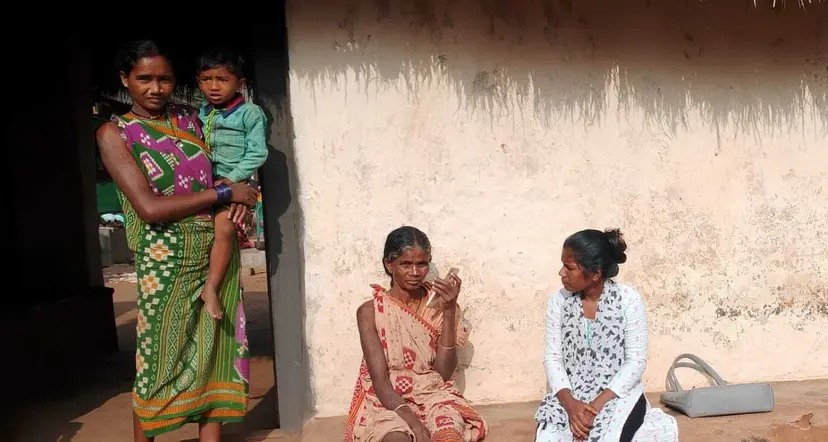
When Lakshmi (name changed) started working as a Community Health Worker (CHW), she was full of energy going door to door in her neighbourhood, helping families navigate their health needs, and encouraging them to use a new telehealth platform called Call4Svasth. A familiar face in the community, she was known for her warmth and willingness to listen.
But behind her confident smile, Lakshmi was silently struggling. A bitter divorce had upended her life. Between court visits and managing household responsibilities alone, her mental and emotional health began to fray. She started gaining weight. She grew tired and withdrawn. Eventually, she was diagnosed with early-stage diabetes.
Though surrounded by health resources, Lakshmi hesitated to seek help for herself. It wasn’t until her fellow CHWs gently nudged her that she decided to try the very platform she recommended to others.
Through Call4Svasth’s telecounselling services, Lakshmi found a safe space to talk about her struggles. A compassionate counsellor helped her process her emotions and find coping strategies. She then used the platform to speak to a nurse, who offered simple, achievable steps to manage her condition. With regular follow-ups and emotional support, Lakshmi’s blood sugar levels stabilised and so did her confidence. She returned to her work with renewed energy and a deeper sense of empathy, progressing in her career, gaining back her financial stability, mental and physical well-being.
Lakshmi’s story is not unique. It reflects the complex web of physical, mental, and social challenges that define health, especially for vulnerable communities in low-resource settings.
Health is More Than the Absence of Illness
According to the WHO, health is a state of complete physical, mental, and social well-being, not just the absence of disease. Yet, millions across India and other low and middle-income countries still face enormous hurdles in accessing even basic healthcare, let alone comprehensive support.
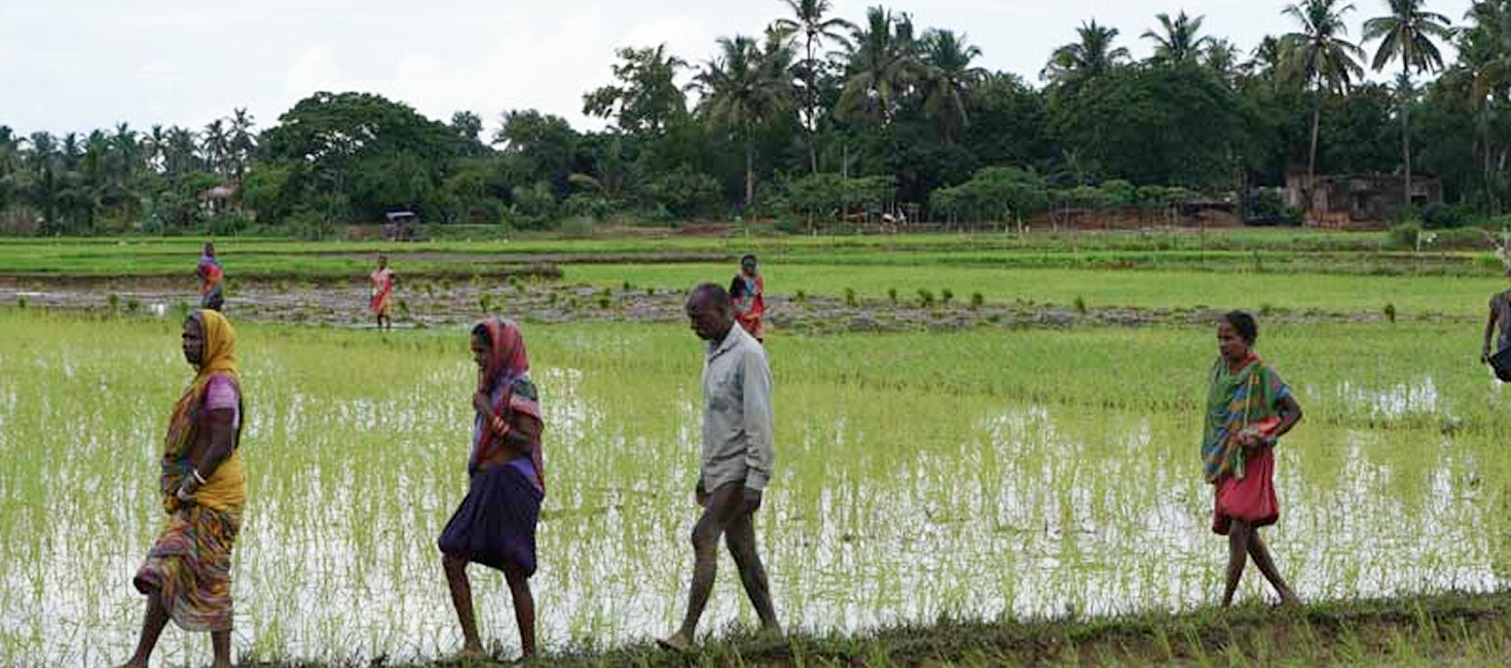
From geographic remoteness and financial hardship to stigma, lack of digital access, and overburdened health systems, these challenges are magnified for already marginalised groups – women, persons with disabilities, LGBTQIA+ individuals, migrants, tribal and rural communities, and the urban poor.
And while digital health holds promise, the reality is: a tech-only solution doesn’t work for communities without smartphones, internet access, or digital literacy.
The Need for a Hybrid, Human Centred Approach
In response to these challenges, Call4Svasth was developed not just as a digital tool, but as a community-anchored, hybrid care model designed for equity.
By combining telehealth services with trained community health workers, Call4Svasth ensures that even those without digital access can receive:
- Remote medical consultations and triaging
- Mental health counselling in local languages
- Social support for navigating health and public services
- Follow-ups for continuity of care
- While engaging a nurse-led model and trained community health workers to enhance health workforce efficiency and reduce the burden on healthcare systems.
All of this is accessible through basic phones, with on-ground assistance from health workers like Lakshmi who are embedded in the community.
This model doesn’t just increase access. It makes care more personal, more relevant, and more sustainable and it reduces pressure on an already stretched public health system by enabling nurse-led care and task-shifting.